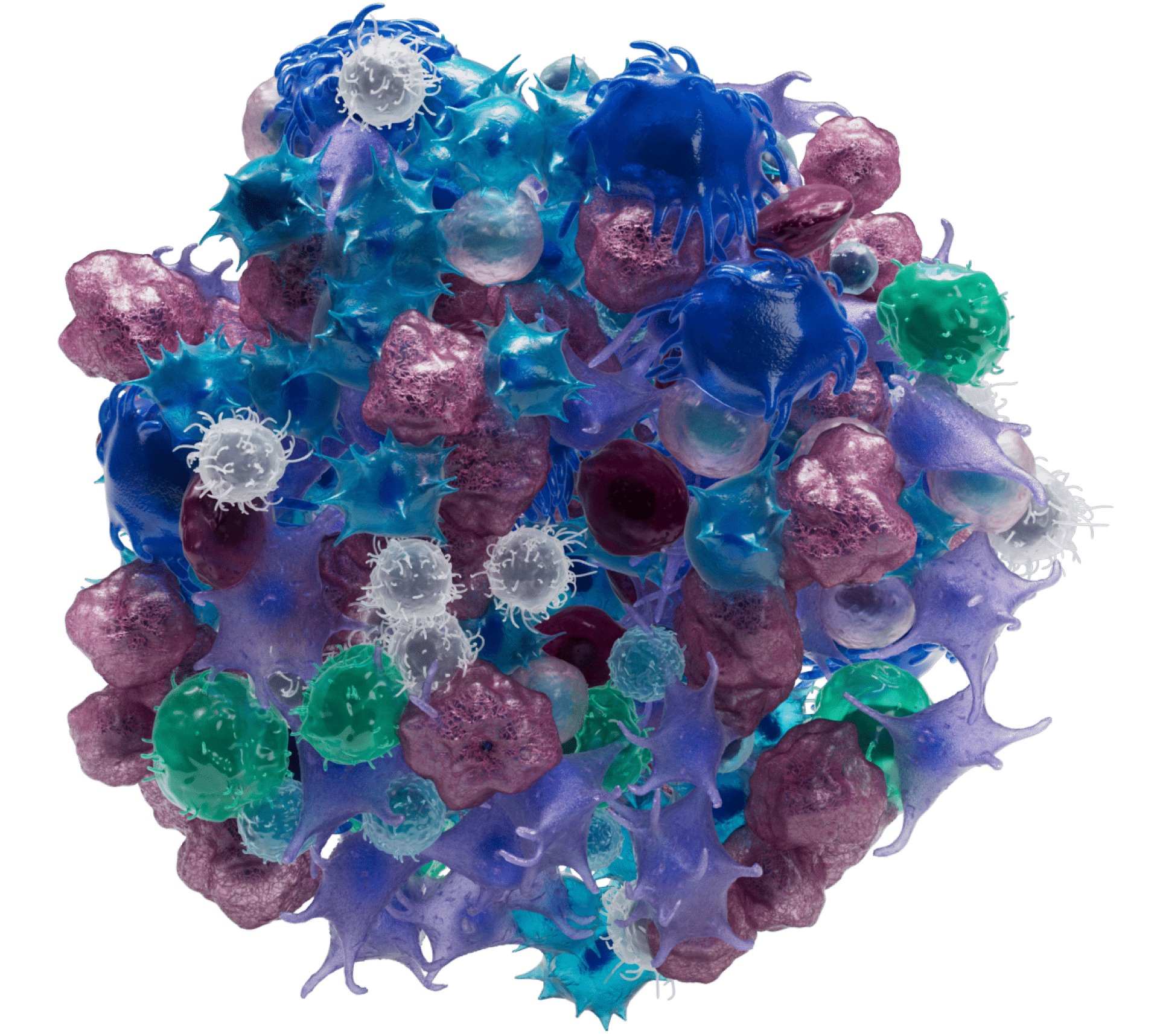
3D-printed tumours represent a significant advancement in cancer research, offering a more accurate and physiologically relevant model compared to traditional 2D cell cultures and animal models. By mimicking the complex architecture and microenvironment of human tumours, these models enable researchers to study cancer biology and tumour progression in a context that closely resembles human disease. This can lead to a better understanding of tumour heterogeneity, metastasis, and treatment resistance, ultimately informing the development of more effective therapies.
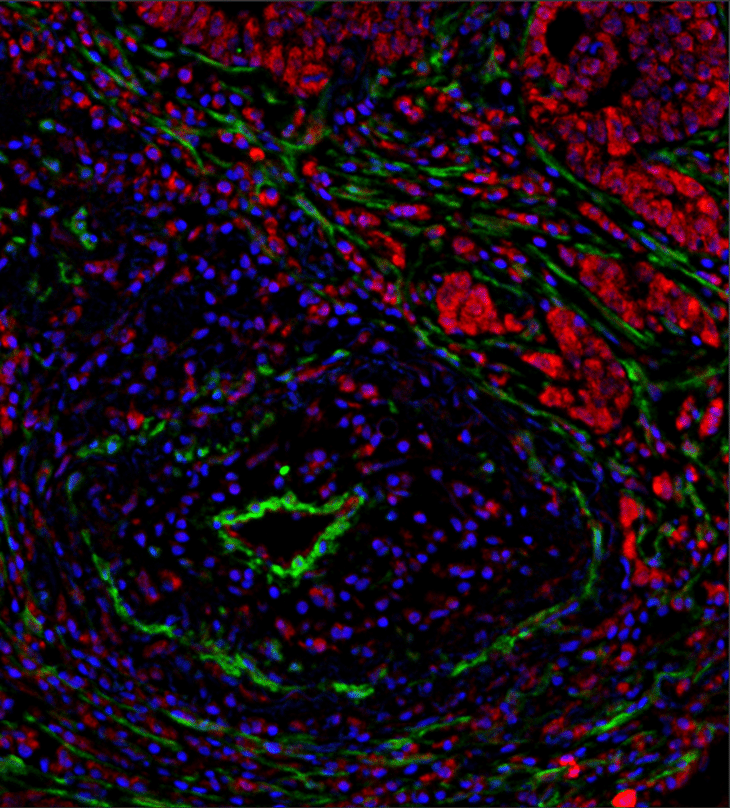
In this application note we present data demonstrating the similarities between a donor lung tumour tissue and Carcinotech’s 3D-bioprinted lung tumour in terms of both cellular composition and response to drug treatment. These findings highlight the potential of 3D-bioprinted models as translational tools for pre-clinical research and drug development.