CONTACT US
DRUG DISCOVERY SERVICES

How We Support Drug Discovery

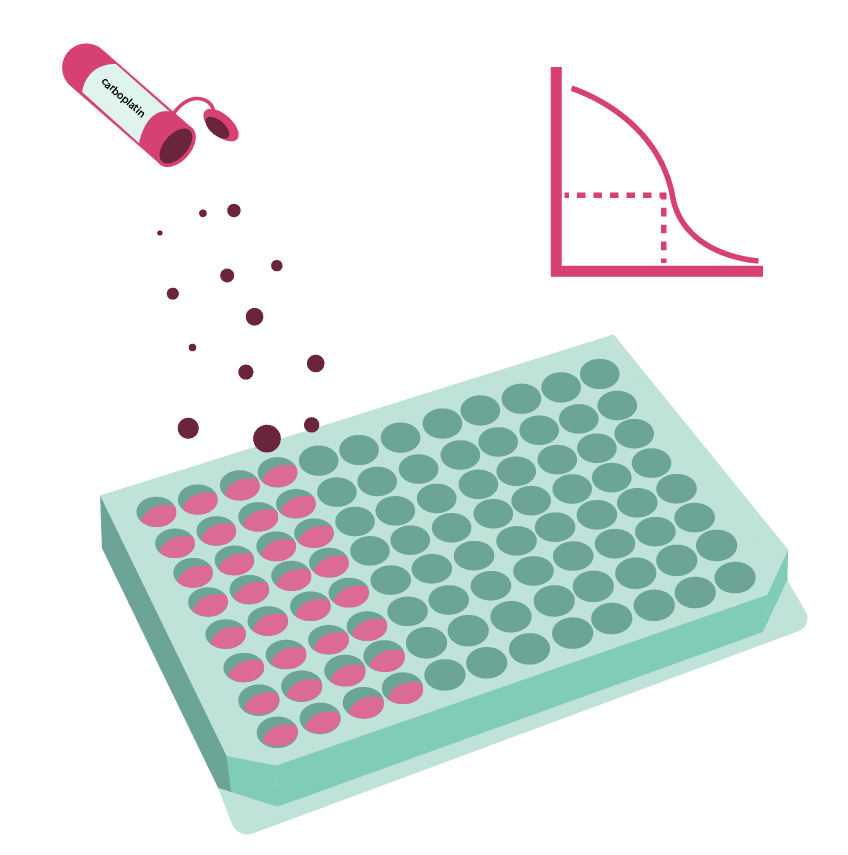
Flexible study designs ranging from high-throughput efficacy screening to patient-derived tumour modelling and mechanistic investigations.
Discuss Your Study
Drug Discovery Services
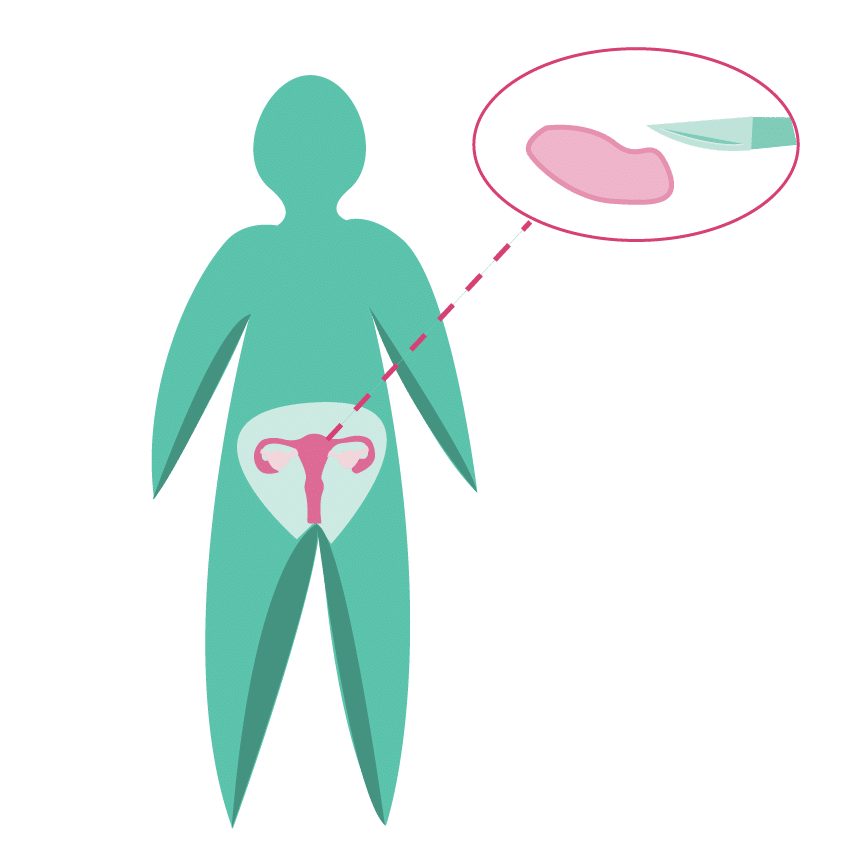
Patient-Derived Studies
Tumour Microenvironment Studies
Characterisation and Analysis
  • 3D efficacy screening
  • Cell line tumour models
  • Patient-derived tumour models
  • Dose-response studies
  • Combination treatment studies
  • Tissue-to-print workflows
  • Feasibility studies
  • Translational research studies
  • CAF incorporation
  • Stromal interaction studies
  • Mechanobiology investigations
  • Longitudinal live-cell imaging
  • Drug penetration studies
  • High-content image analysis
  • Drug Discovery-Ready Tumour Models

    Our tumour models are designed to integrate with established oncology drug discovery workflows and analytical platforms. Our models support a range of quantitative endpoints, enabling assessment of therapeutic response, mechanism of action, and tumour biology.

    Demonstrated Reproducibility

    Reproducible 

    Model Generation

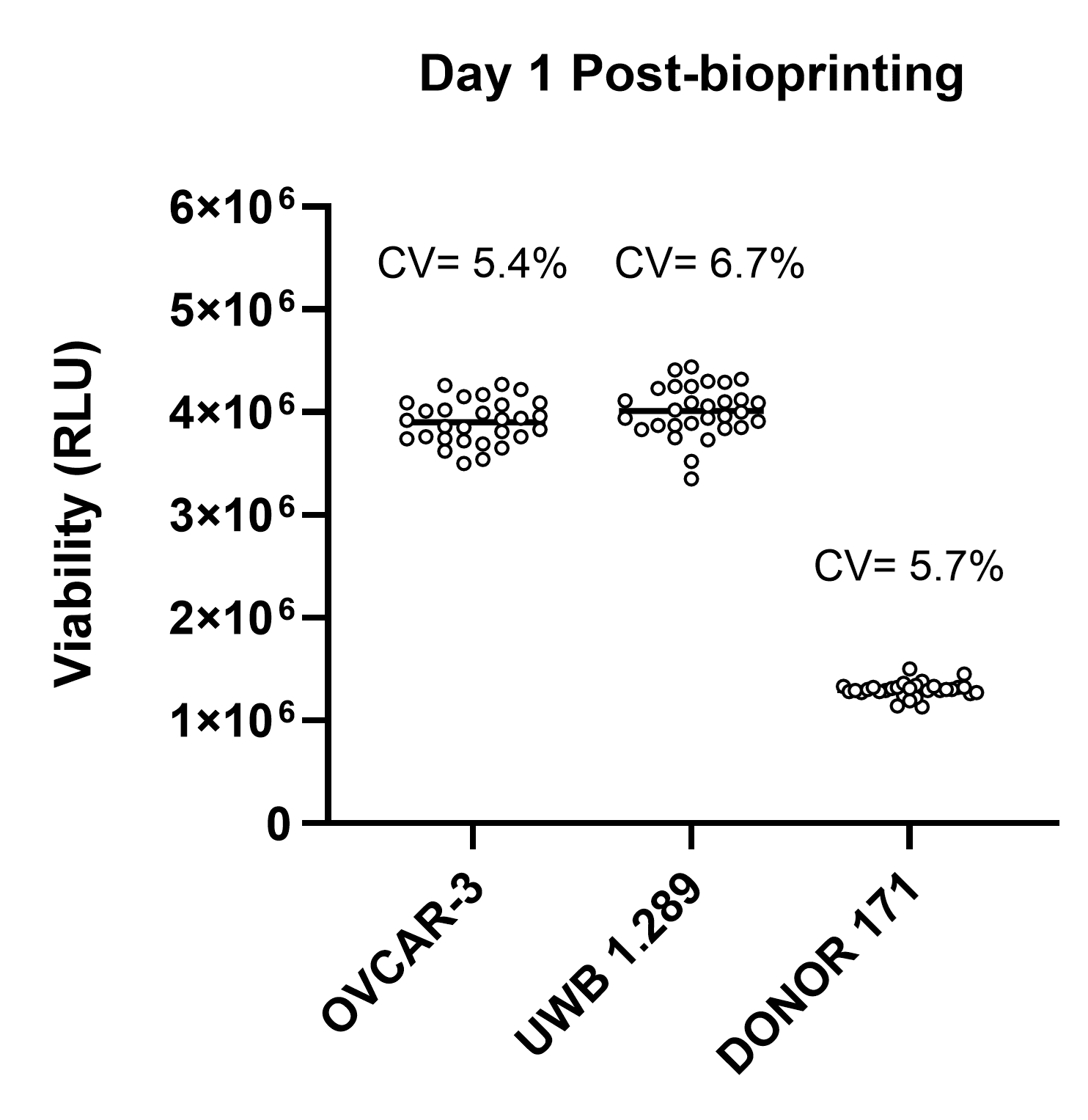
    Consistent model generation is critical for reliable drug discovery. We have demonstrated reproducible model production across both cancer cell line and patient-derived tumour models, with viability-based coefficients of variation below 15%.

    Tumour Characterisation

    Characterised Biological Composition

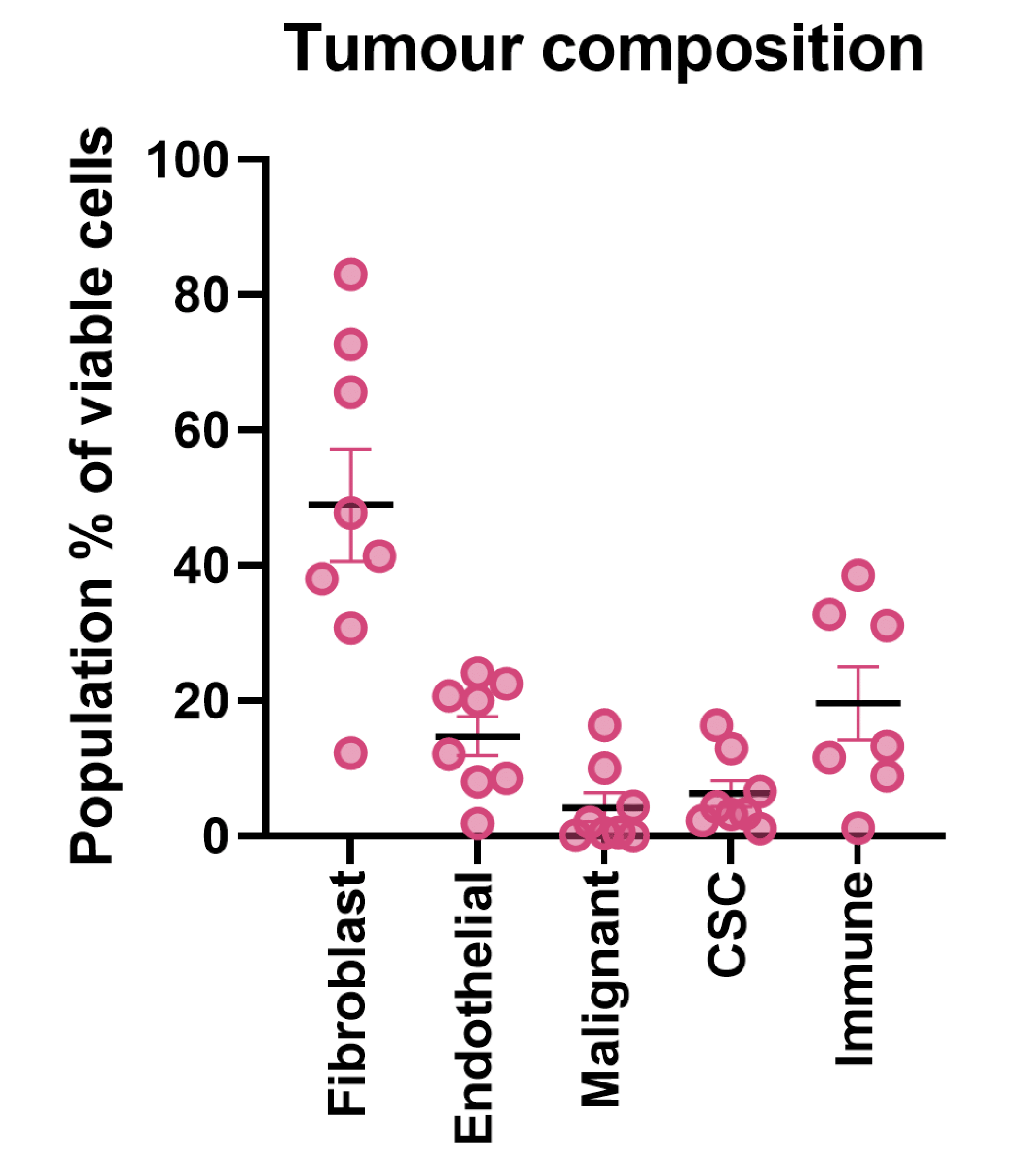
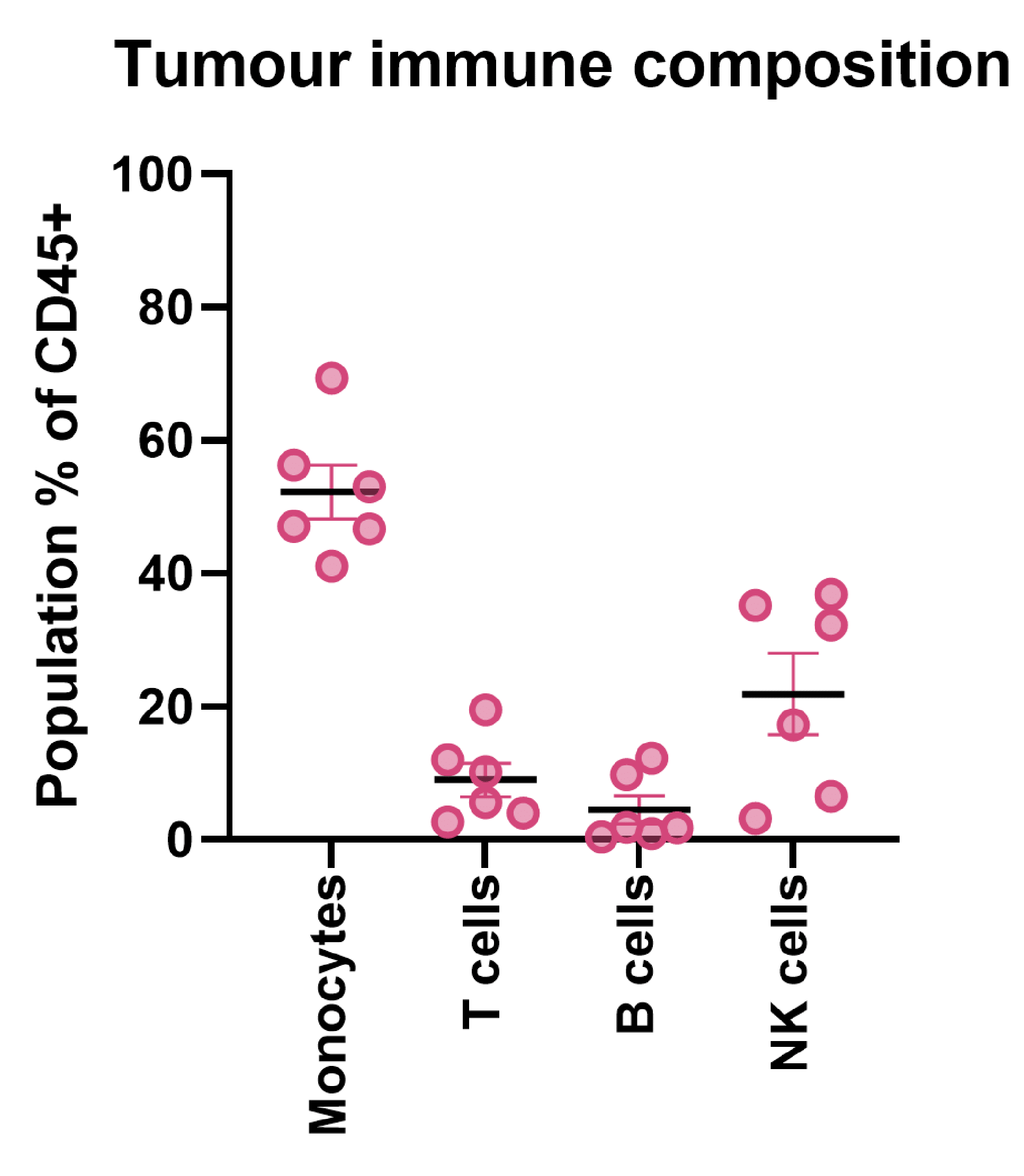
    Flow cytometric analysis confirms retention of key tumour microenvironment populations, including tumour cells, fibroblasts, endothelial cells, immune populations, and cancer stem cell-associated populations.

    Biologically Relevant Drug Response

    Drug Response Evaluation

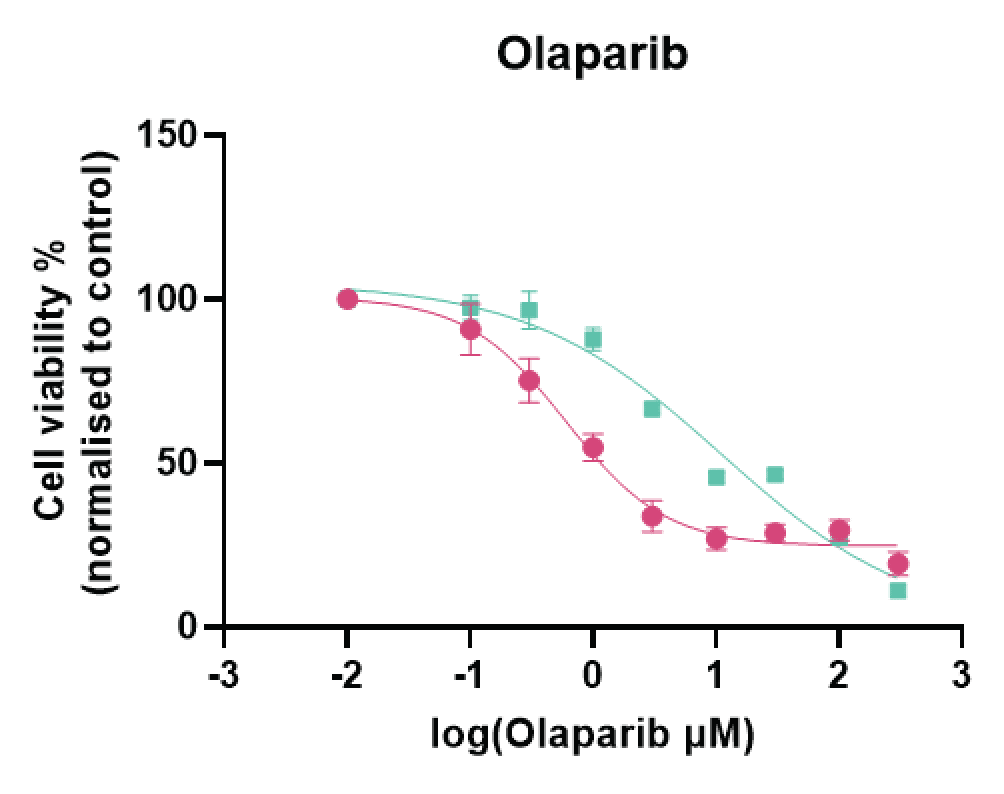
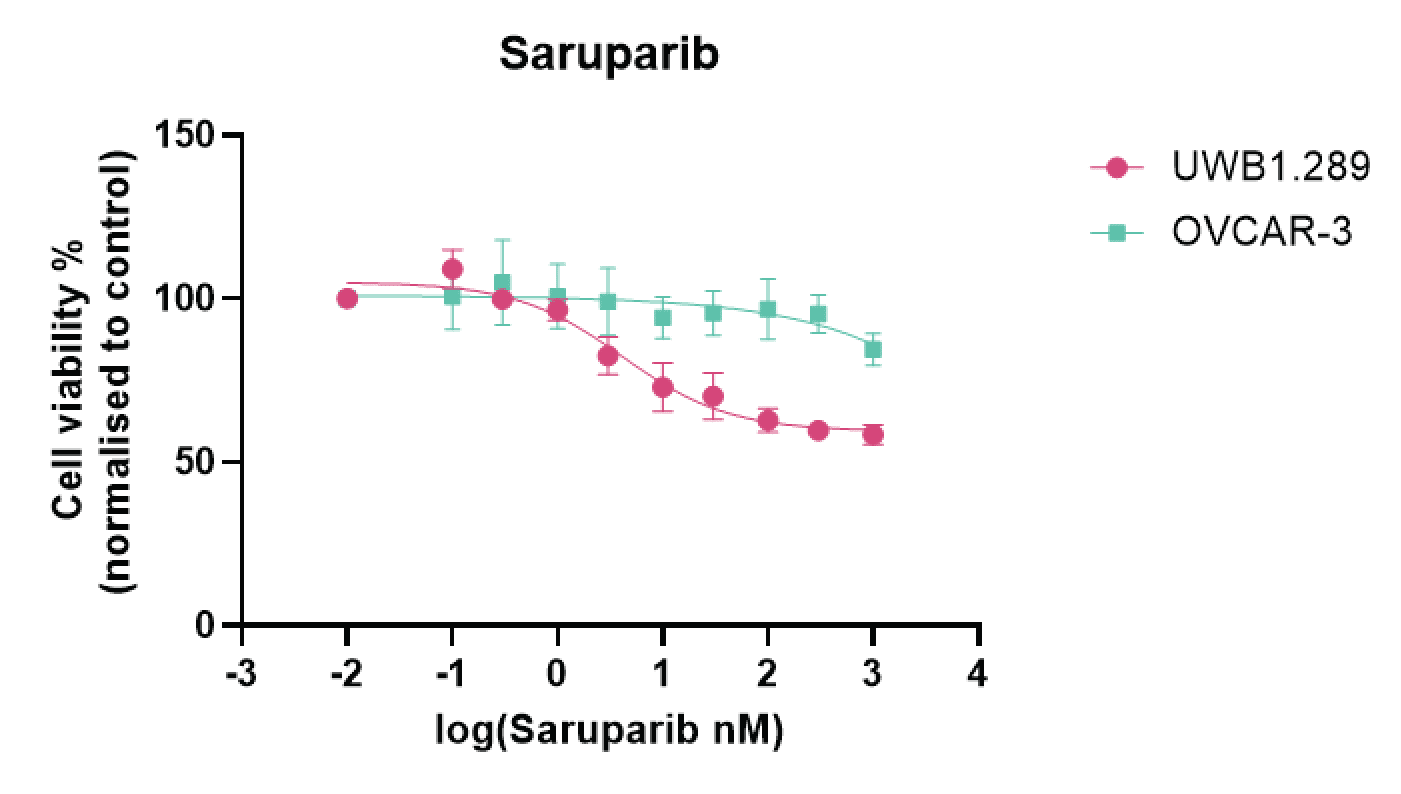
    Our tumour models support evaluation of therapeutic response in biologically relevant systems.
    These representative models recapitulate expected PARP inhibitor sensitivity associated with BRCA1 deficiency, consistent with established disease biology.

    Advanced Imaging & Functional Analysis

    Imaging-Based Analysis

    Our tumour models are compatible with longitudinal live-cell imaging and high-content microscopy, enabling assessment of dynamic cellular behaviours and therapeutic response over time.
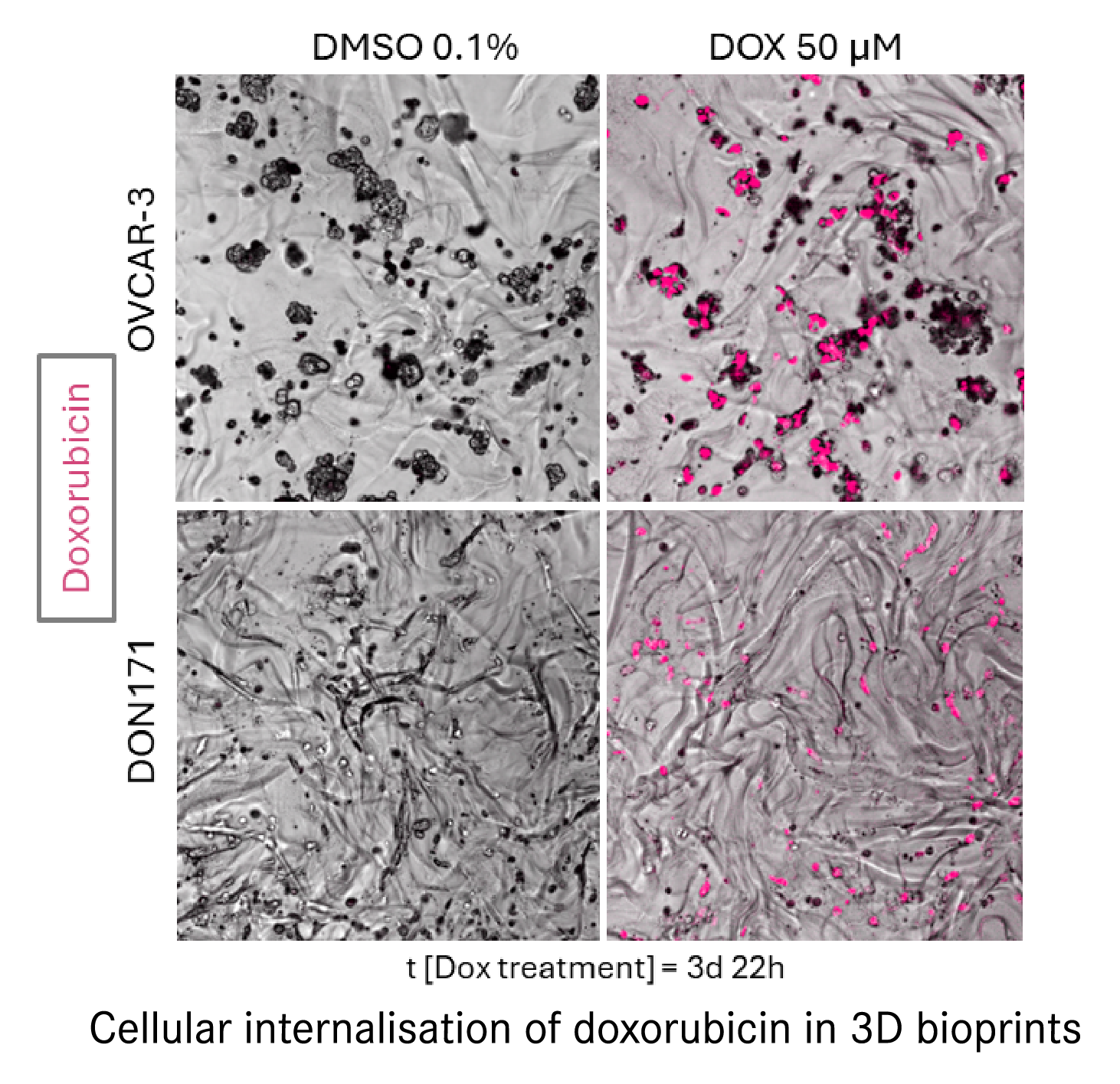
    Assessment of compound penetration. Fluorescent imaging demonstrates small molecule penetration throughout 3D tumour models, supporting evaluation of drug distribution in complex tissues.
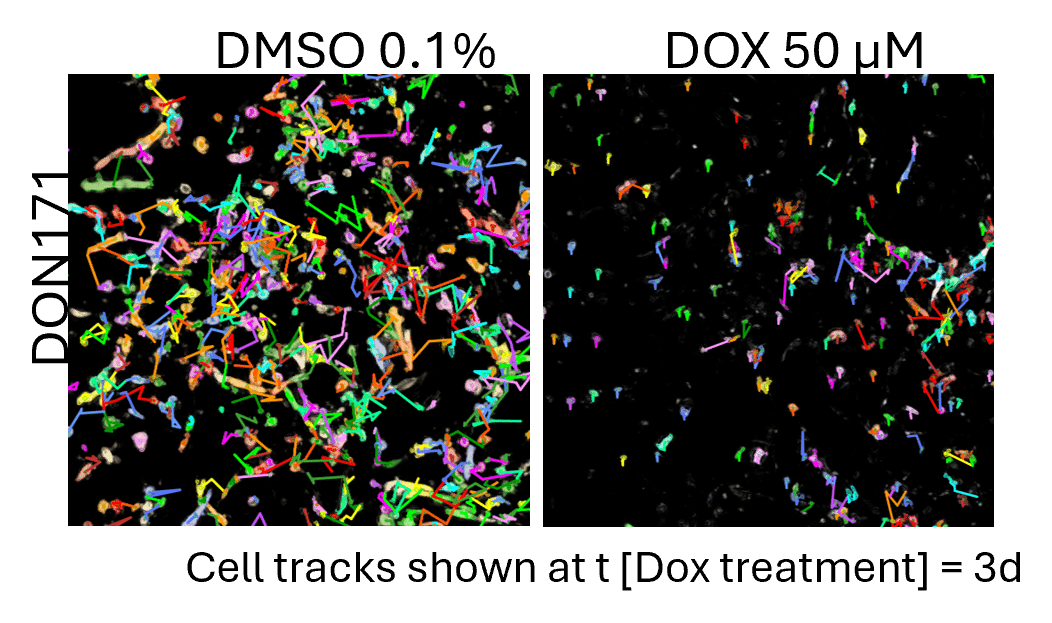
    Dynamic cellular behaviour monitoring. Longitudinal imaging enables assessment of dynamic cellular behaviours, including migration and tumour microenvironment interactions.

    Multi-Modal Analysis

    Tumour models can be generated in formats optimised for imaging, biochemical, cellular, molecular, and spatial analyses, enabling comprehensive evaluation of therapeutic response and tumour biology.

    Imaging

    Brightfield · fluorescence · high-content imaging

    Biochemical Assays

    Viability · cytotoxicity · cytokines

    Cellular Characterisation

    Flow cytometry · immune profiling

    Functional Readouts

    Drug response · migration · mechanobiology

    Available through collaborative workflows:

    Molecular Analysis
    RNA-seq · transcriptomics · proteomics
    Histology & Spatial Biology
    IHC · spatial transcriptomics

    Preclinical Models Poorly Predict Clinical Outcome

    Translational Failure
    Conventional preclinical models fail to capture the complexity of human tumours, contributing to poor clinical translation and costly late-stage attrition.
    Technological Maturity
    Advances in bioprinting now enable scalable, reproducible multicellular tumour models.
    Regulatory Shift
    FDA and UK roadmaps are accelerating adoption of human-relevant alternatives to animal testing.
    The Opportunity
    Human-relevant models have the potential to generate more predictive data and support better preclinical decision-making.

    5%

    Likelihood of oncology drug approval from phase I to market

    Wong et.al., 2019. Jardim et.al., 2017

     

    Carcinotech develops patient-derived 3D bioprinted tumour models designed to generate human-relevant efficacy data for oncology drug discovery.

    Engineering the Next Generation of Cancer Models

    Flexible Study Design

    We support custom study design across cell line and patient-derived tumour models, enabling therapeutic evaluation, tumour microenvironment investigations, and translational oncology research.

    Discuss Your Study

    Whether you are evaluating therapeutic efficacy, investigating tumour biology, or developing next-generation oncology therapies, we can design studies tailored to your scientific objectives.
    Contact us