CONTACT US
ENGINEERING THE NEXT GENERATION OF CANCER MODELS

From Patient Tissue to Reproducible 3D Tumour Models

Carcinotech combines fresh human tissue, advanced 3D bioprinting, and multi-modal characterisation to generate reproducible tumour models for therapeutic evaluation and translational oncology research.
Explore Drug Discovery Services

Bridging Biological Relevance and Experimental Control

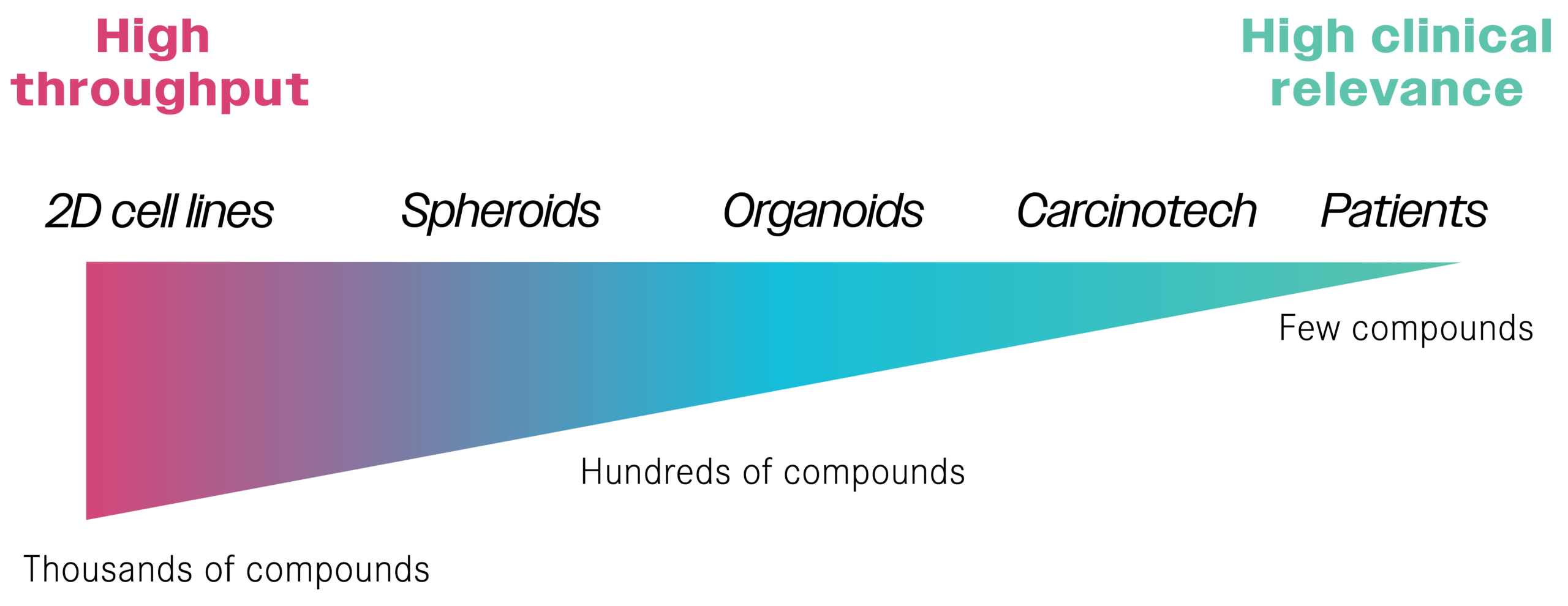
No single preclinical model delivers the ideal balance of biological relevance, reproducibility and experimental scalability. Our platform is designed to bridge these trade-offs by combining advanced 3D bioprinting with established cancer cell lines and patient-derived biology.
Preserve Human Biology
Reduce Translational Risk
Generate Decision-Grade Data
Control Technical Variability

Capture tumour, stromal and immune populations that are often lost in long-term cell culture

Evaluate drug activity in biologically complex human tissue before costly in vivo studies

Assess efficacy, penetration and treatment response in a controlled assay environment

Standardised bioprinting workflows minimise assay variability while preserving clinically relevant biological diversity

Why 3D Bioprinting?

Retain Tumour Heterogeneity
Patient-derived models are generated from dissociated tumour tissue, preserving diverse cellular populations.
Improve Reproducibility
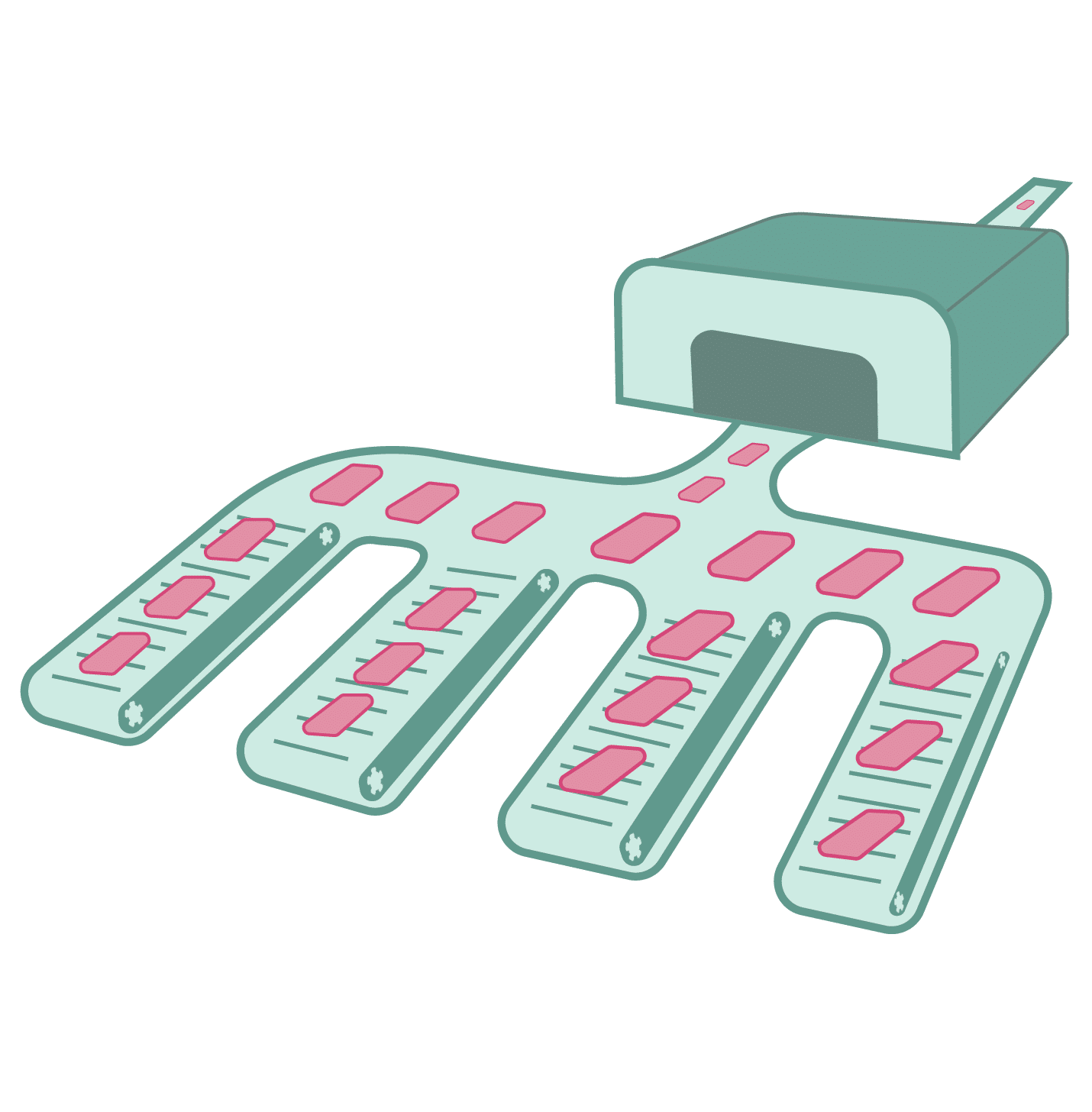
Automated bioprinting supports consistent model generation suitable for drug discovery workflows.
Enable Quantitative Analysis
Models are compatible with imaging, biochemical, cellular, and molecular endpoints.
Support Experimental Scale
Assay-ready formats enable evaluation of multiple compounds, doses, and treatment conditions.

From Tissue to Insight

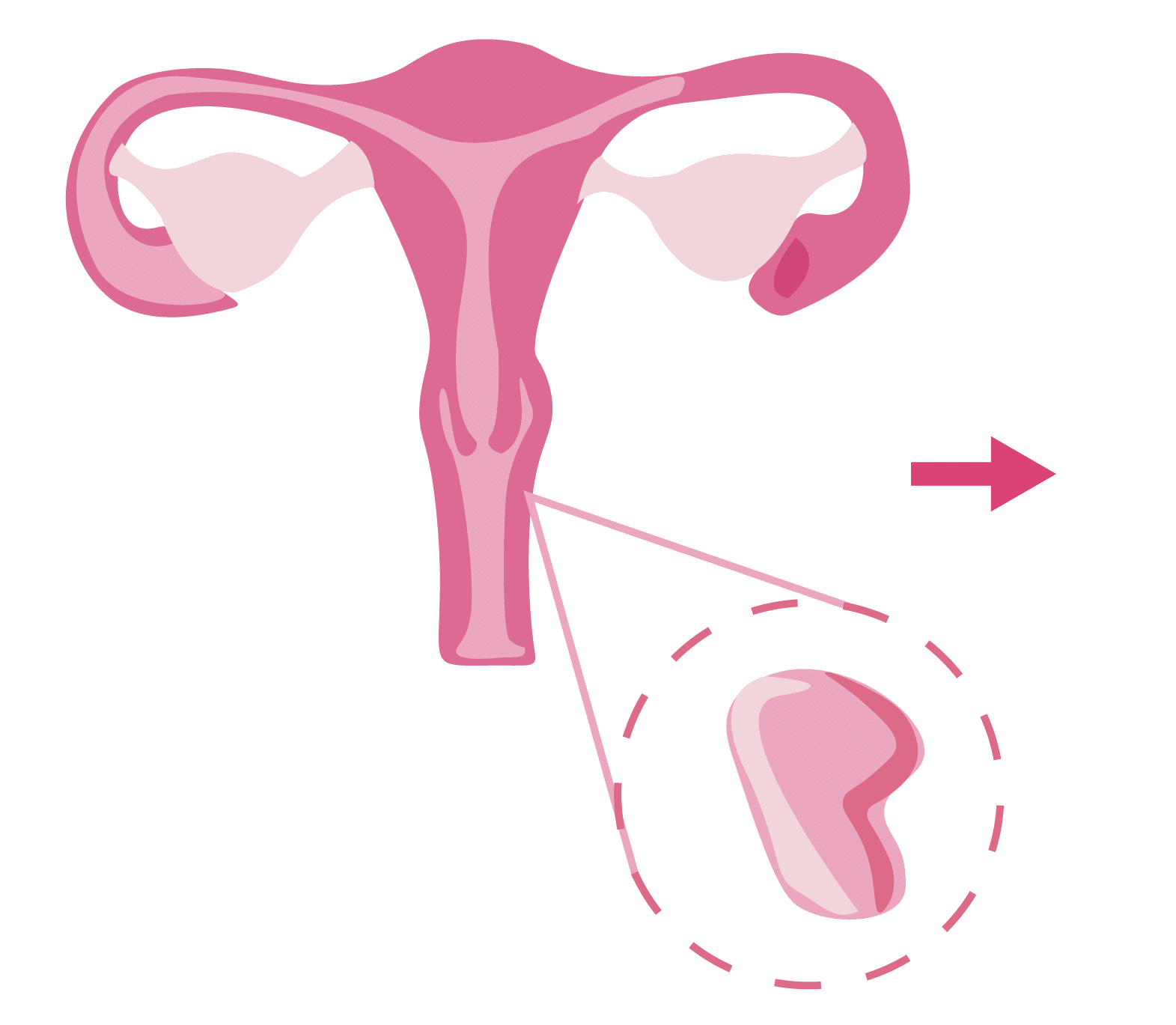
Fresh Human Tissue & Cell Lines
Tumour Characterisation
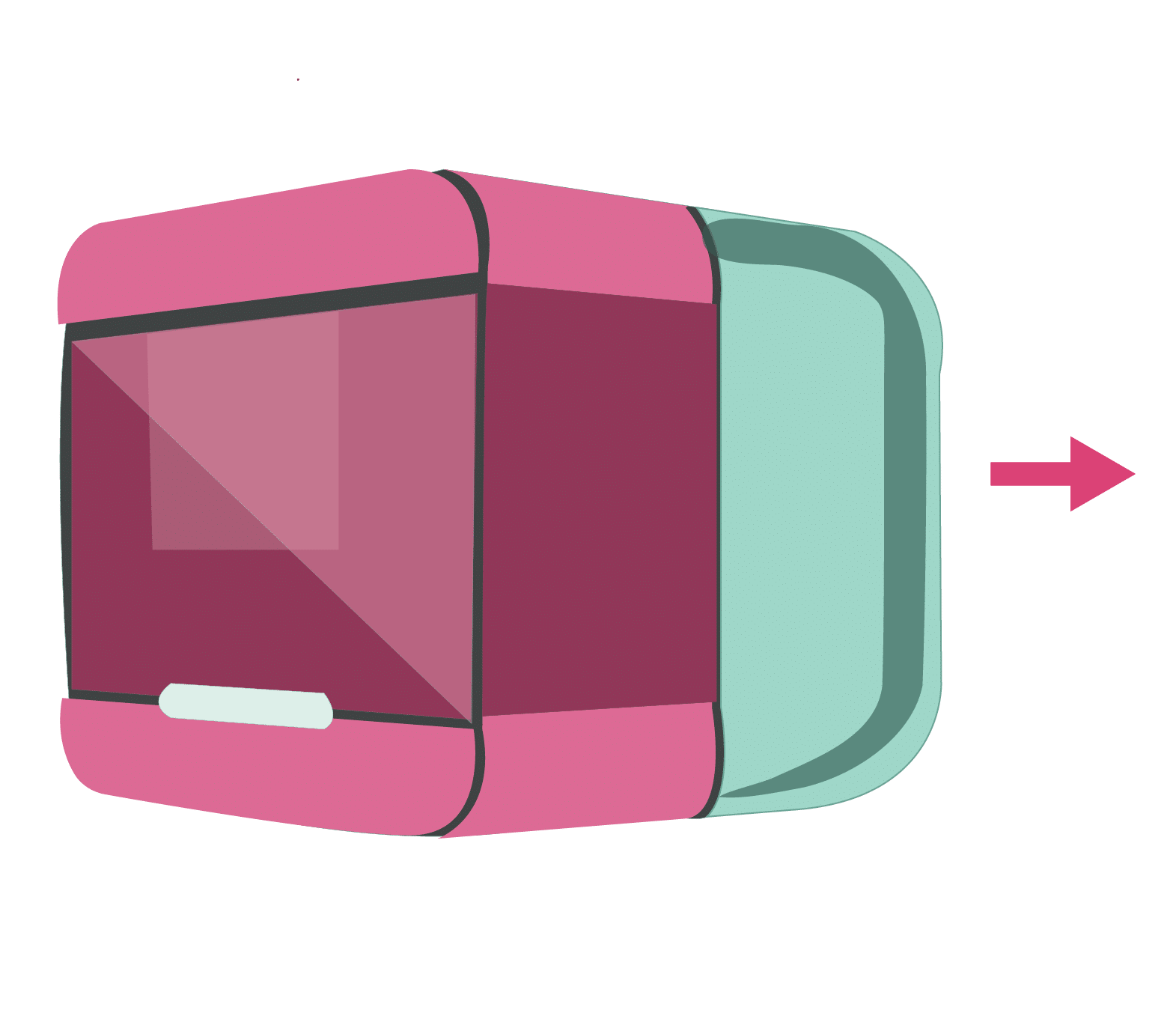
3D Bioprinting
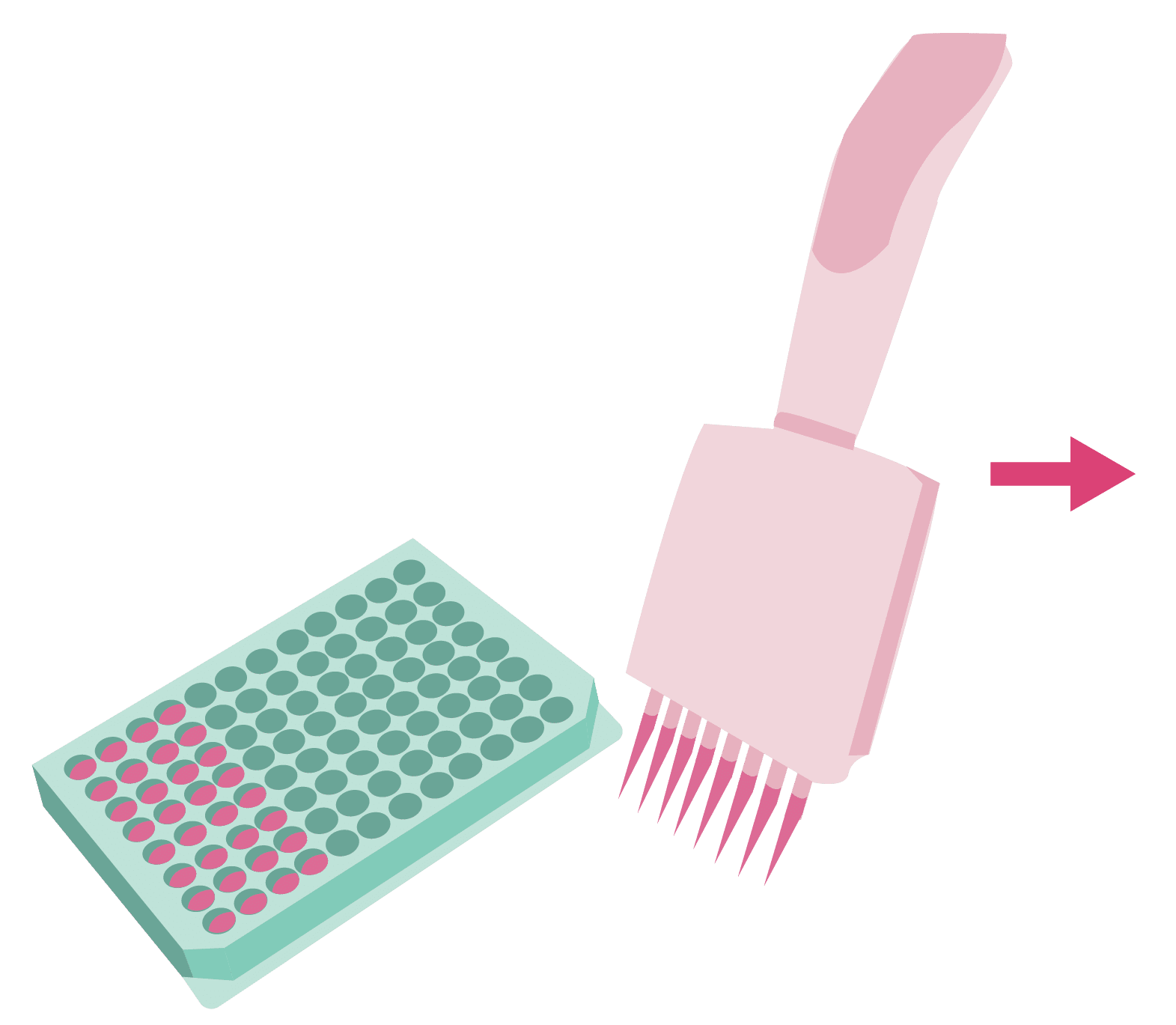
Drug Testing
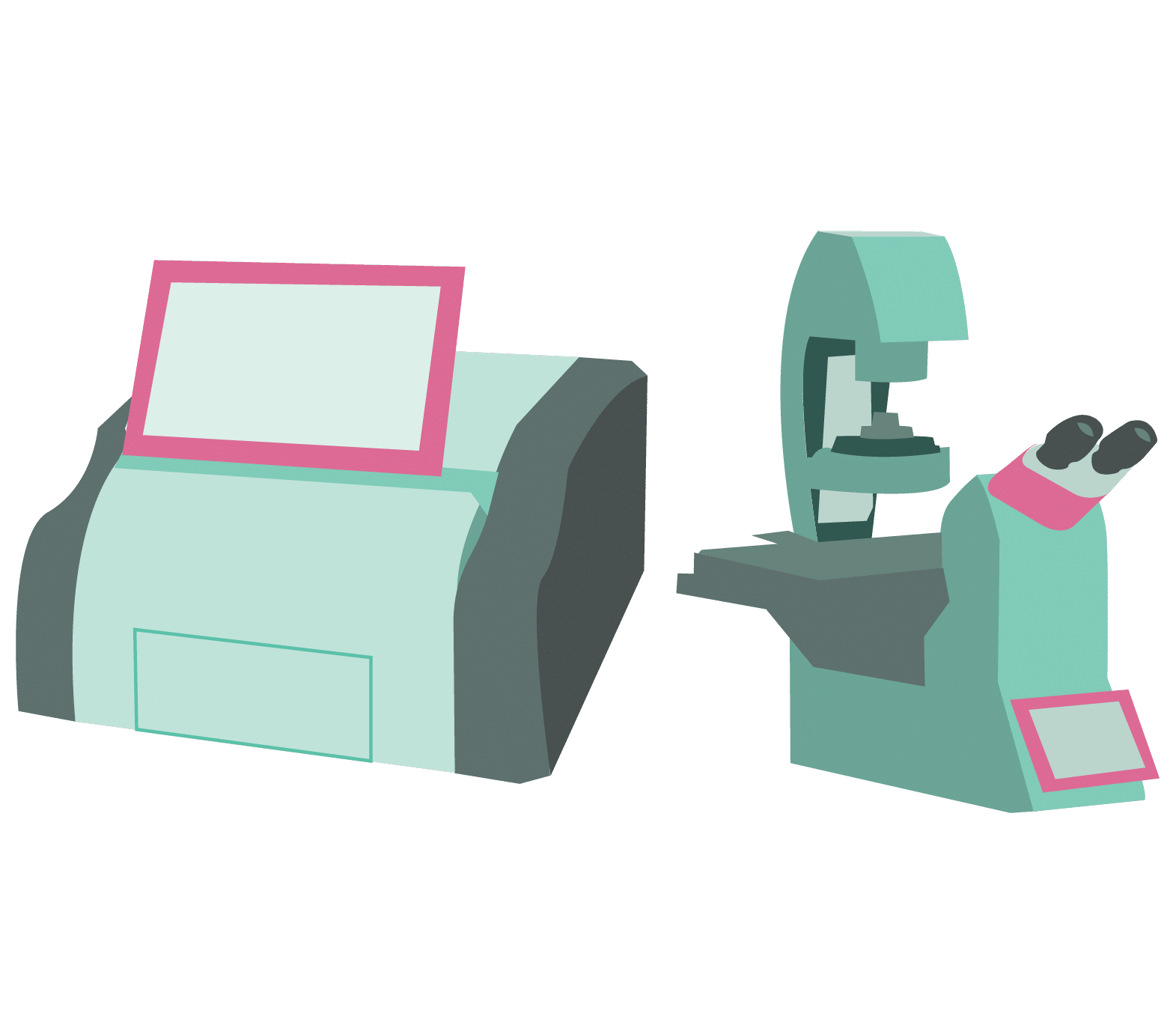
Characterisation and Analysis
Biological materials are characterised prior to model generation, enabling creation of reproducible tumour models that can be interrogated using a range of analytical approaches.

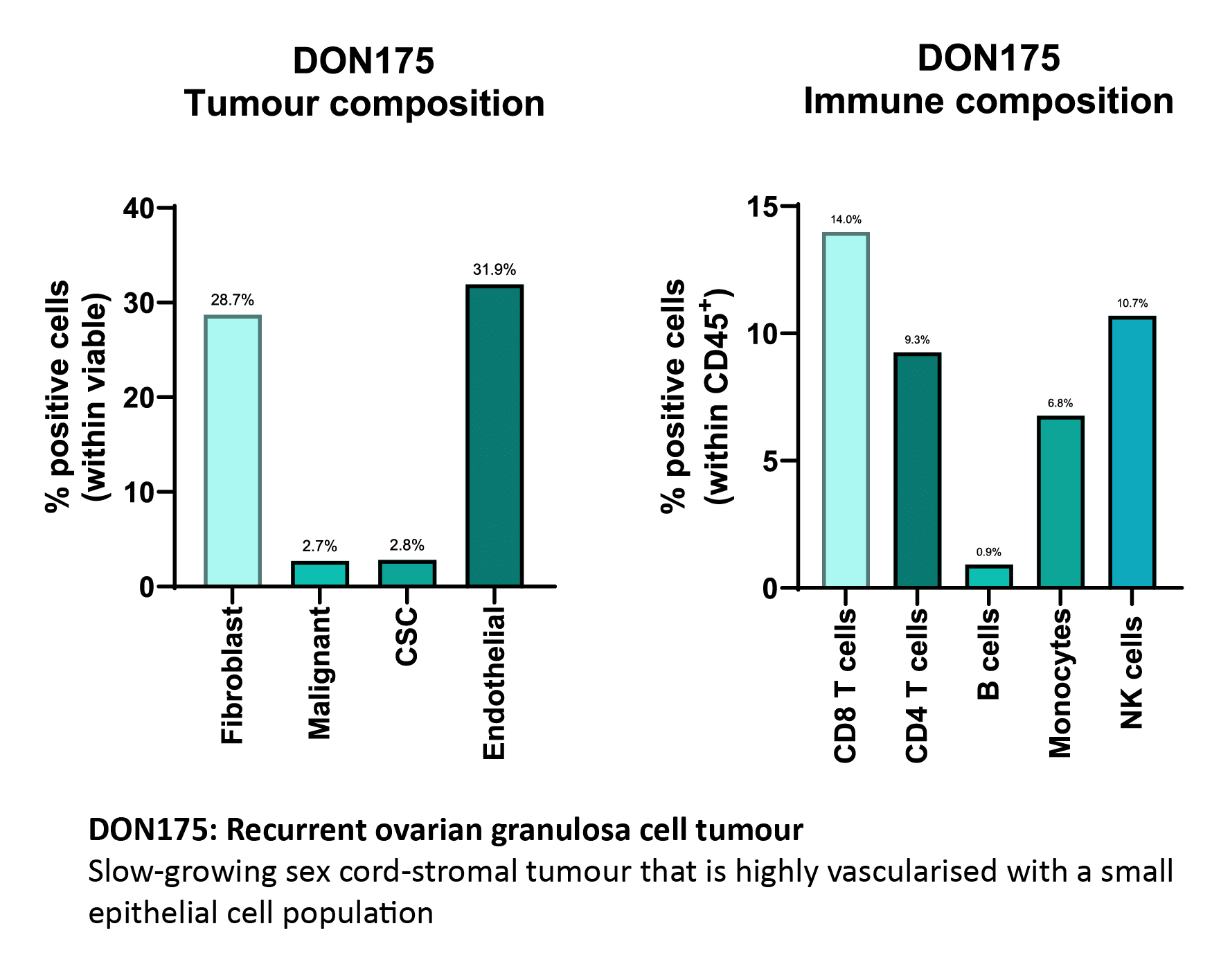
Preservation of Tumour Heterogeneity

  • Optimised dissociation preserves tumour, stromal, endothelial, and immune cell populations from primary patient tissue
  • Flow cytometry confirms retention of tumour heterogeneity, including CAFs, epithelial cells, T cells, monocytes, B cells, and NK cells
  • Characterisation supports quality-controlled generation of biologically relevant 3D bioprinted tumour models

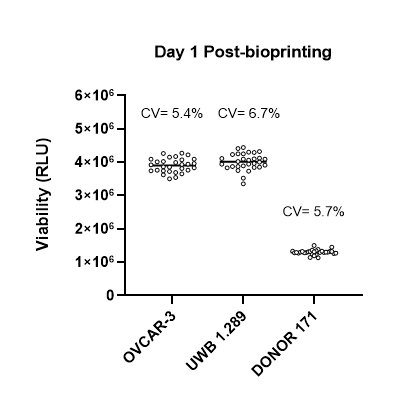
Reproducible Model Generation

  • Consistent bioprinting across wells and runs
  • Low variability, high robustness
  • Fit-for-purpose for preclinical workflows
  • Foundation for scalable commercial use

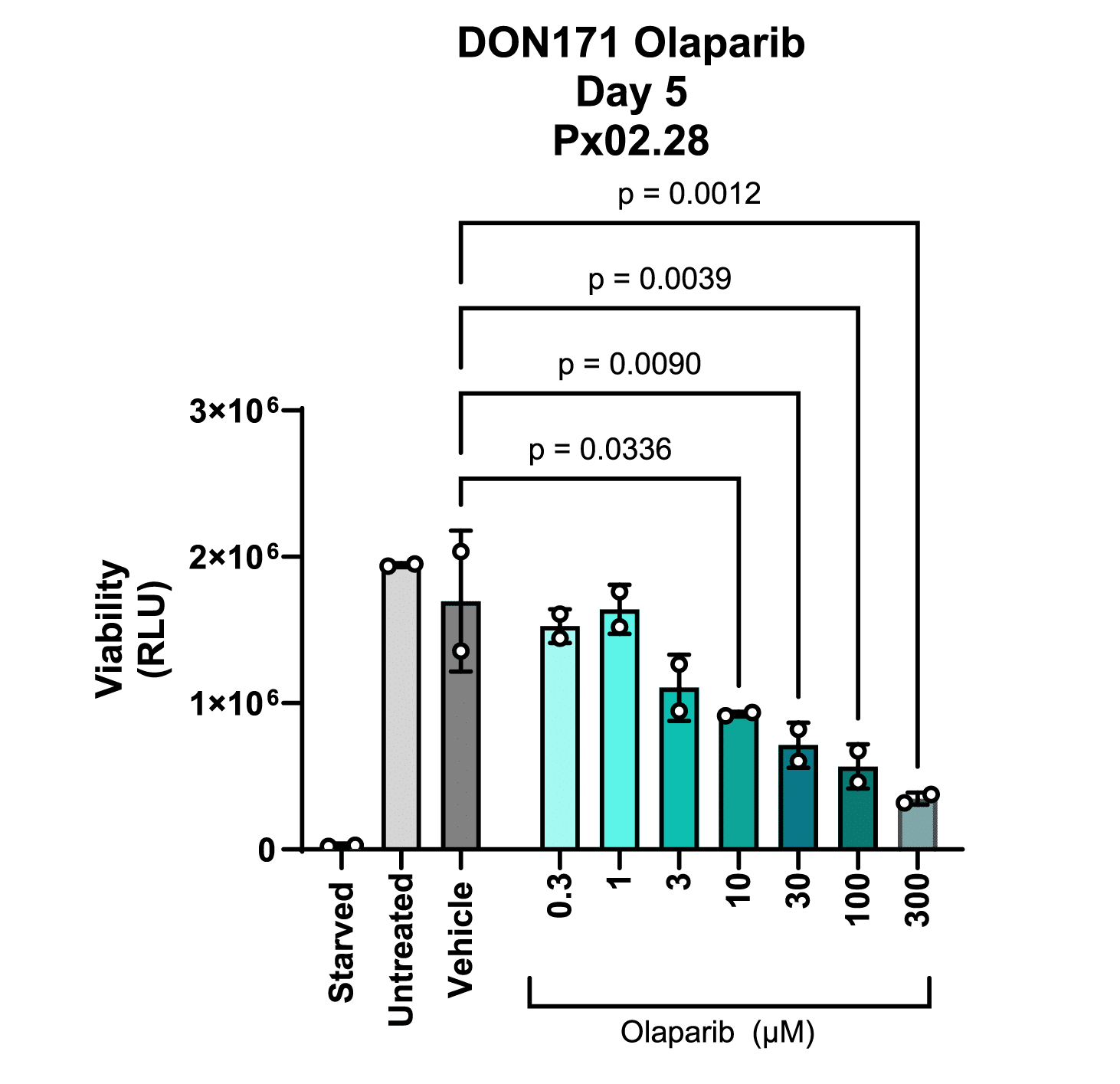
Drug Penetration & Treatment Response

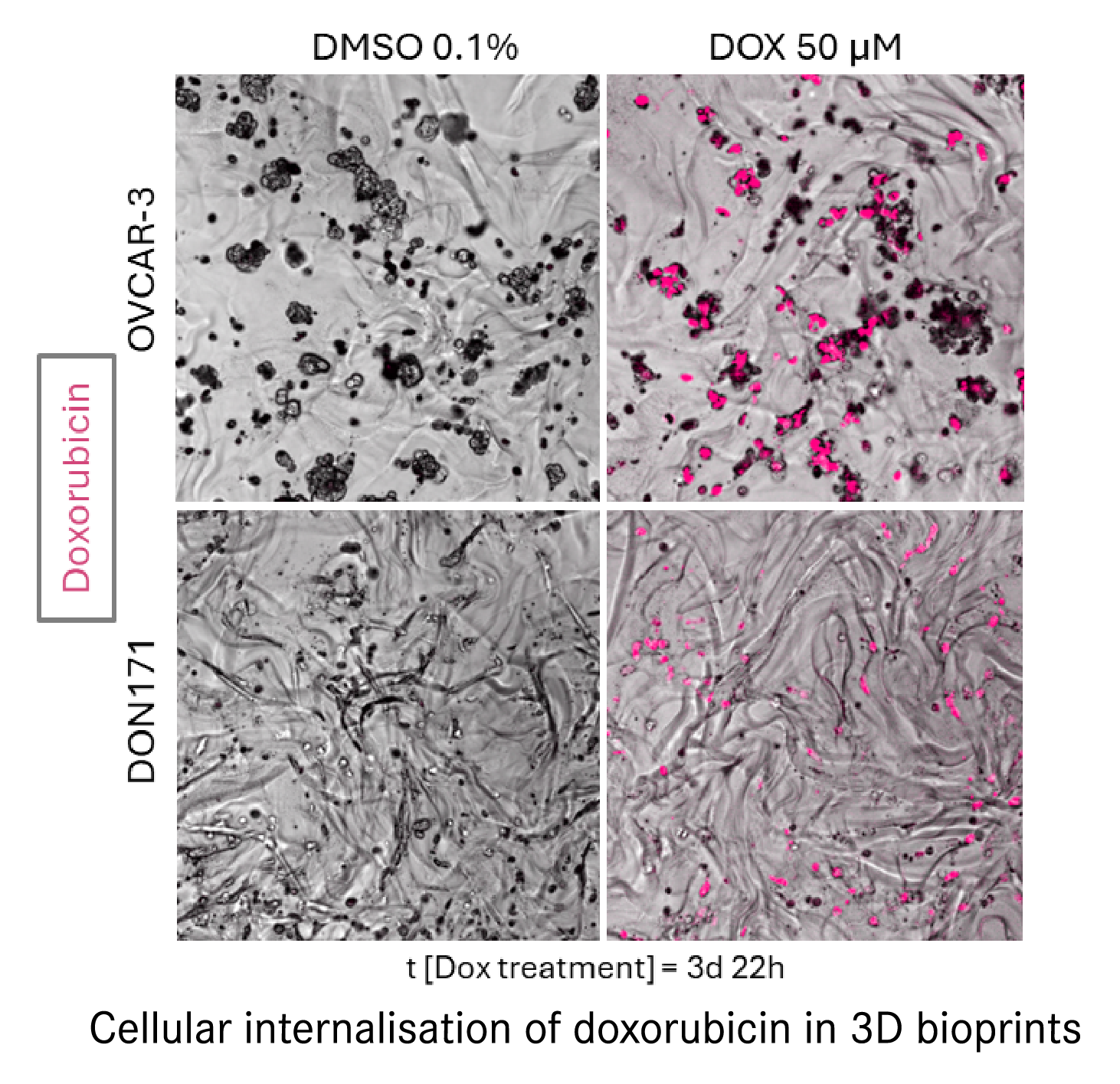
  • Small molecules penetrate throughout 3D bioprinted tumour constructs.
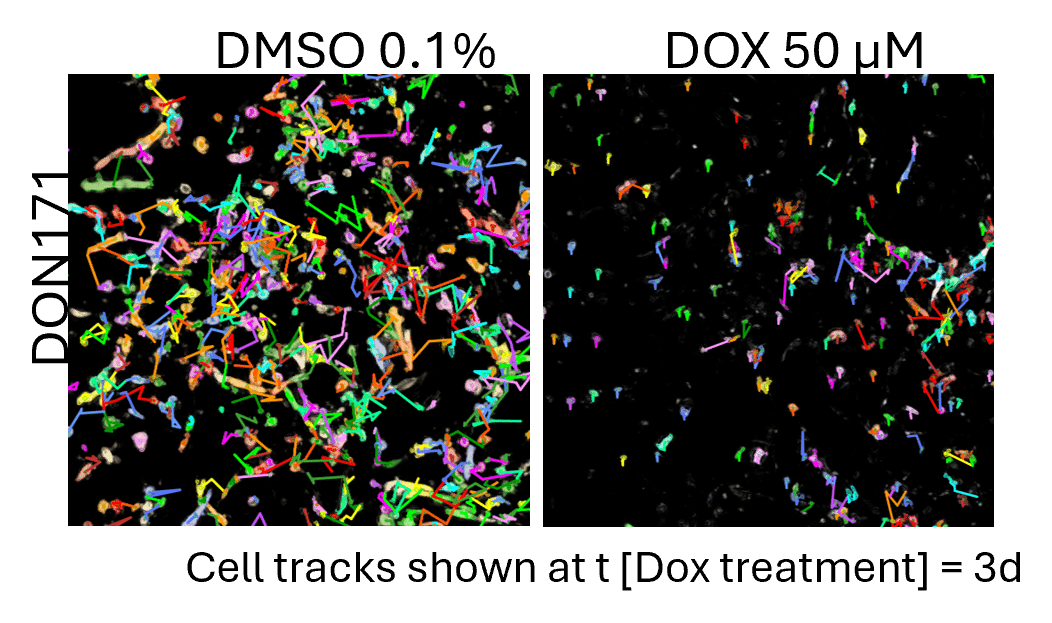
  • Supports live-cell imaging–based assessment of drug distribution and response over time.
  • Dose–response and IC50 analyses in physiologically relevant 3D tumour models.
  • Compatible with scalable preclinical drug screening workflows.

Multiparametric Downstream Readouts

Versatile Formatting

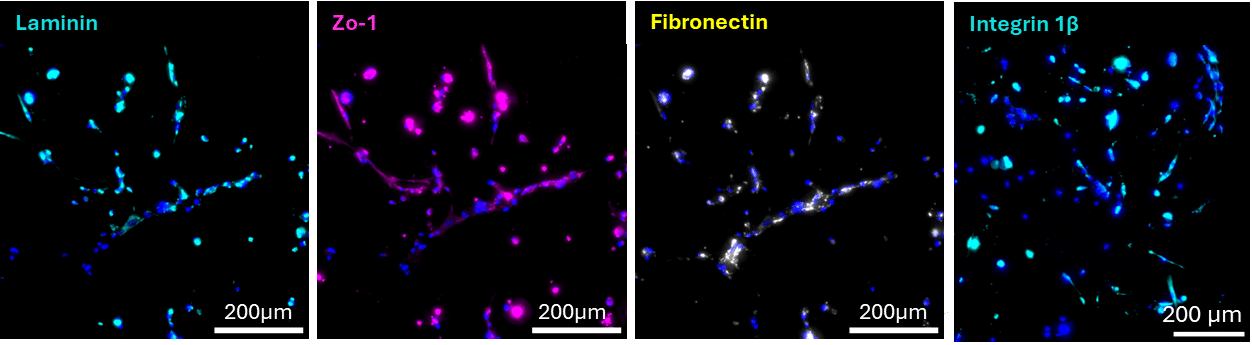
Multiple bioprint formats support a broad range of downstream applications, from high-content imaging to molecular profiling and screening workflows. Carcinotechs 3D bioprinted constructs are compatible with imaging, molecular, biochemical, and spatial biology workflows.

Analysis

Supports live-cell imaging, flow cytometry, RNA-seq, proteomics, and cytokine analyses. Enables migration/invasion studies and high-throughput drug screening. Suitable for dose–response and IC50 analyses in scalable assay formats.
Cellular dynamics in patient-derived ovarian
cancer bioprints

Designed for Drug Discovery

Carcinotech combines clinically relevant biological material with automated bioprinting workflows to generate reproducible tumour models that bridge the gap between conventional in vitro systems and human disease, supporting more informed drug discovery decisions.

Ready to Discuss Your Study?

Whether you are evaluating therapeutic efficacy, investigating tumour biology, or developing next-generation oncology therapies, we can design studies tailored to your scientific objectives.